Inflation and Interest Rates Now Depend More on Monsoon Than Crude Oil

Economy

Inflation and Interest Rates Now Depend More on Monsoon Than Crude Oil
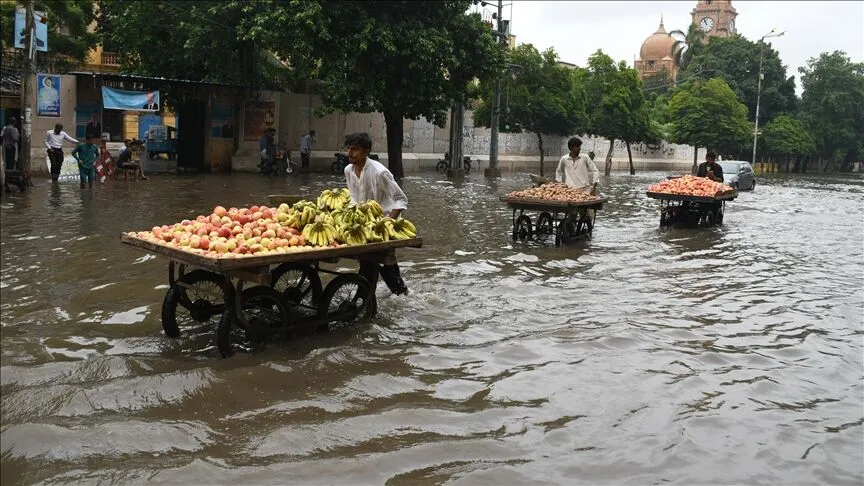
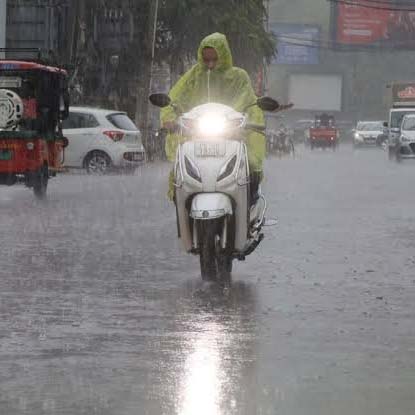
Since the West Asia war broke out, crude oil prices surged — Brent crude, trading in the low $60s per barrel, hit a peak of $114 in mid-February 2026. Following the ceasefire, it eased to around $72 per barrel. If the truce holds, the monsoon will have a bigger influence on inflation — and RBI’s interest-rate decisions — than crude going forward.

Food matters
CPI is measured via a defined basket of goods and services. The basket was revised in January 2026: food and beverages now account for 36.75% of CPI (down from almost half in the earlier basket), pan/tobacco/intoxicants 3%, restaurants and accommodation 3.35%. Food and related items make up about 40% of the inflation basket, versus housing/water/electricity/gas at 17.66% and transport at 8.8%. Oil and gas isn’t separately weighted but is clearly lower than food’s weight.

Food prices depend heavily on the monsoon, India’s primary water source for agriculture. Due to El Niño, IMD has forecast rainfall at 90% of the long-period average (LPA) — a 10% deficiency. Government measures and foodgrain stocks should cushion some impact, but food prices will likely be affected regardless.

Household impact
CPI weights are based on the average Indian household’s consumption pattern. Food may be under 40% of spending for an upwardly mobile urban consumer, but CPI reflects the country as a whole. Rising food prices pressure household budgets; LPG price increases are already priced in, with cereals, vegetables, and other food items as the key variables.

Rate outlook
RBI’s repo rate currently stands at 5.25%. CPI inflation is the most important factor in RBI’s decisions — if it moves closer to 5%, the buffer over the policy rate narrows, raising the likelihood of a rate hike, though expected to be a shallow cycle (~50 bps).

Market impact
Higher interest rates are adverse for both equity and bond markets. Bond yields have already moved higher anticipating rising inflation and possible RBI hikes; equity markets also tend to price in known/expected developments in advance.

Monsoon watch
As of 6 July 2026, rainfall deficiency had narrowed to 20% of the LPA, down from a peak deficit of 43% (as of 27 June). The shortfall is hoped to narrow further to around 10% (IMD’s projection) by season-end. Distribution of rainfall across the country matters as much as the aggregate amount.

Food carries a 40% weight in CPI, making the monsoon and farm output key inflation drivers.

By Joydeep Sen
Corporate Trainer (financial markets), Author, Columnist

This article, “Inflation and interest rates now depend more on monsoon than crude oil”, was originally published on Mint by Joydeep Sen on April 06, 2026. It is republished here with permission

WMAI insights

WMAI shares practical insights for private banking, wealth management, and professional certification development across Asia and India.

About WMAI

Build deeper private banking capability

Explore WMAI certification pathways designed for wealth management and private banking professionals.

Scroll to Top